

nieuws
Updated 30 Oct · 21:40
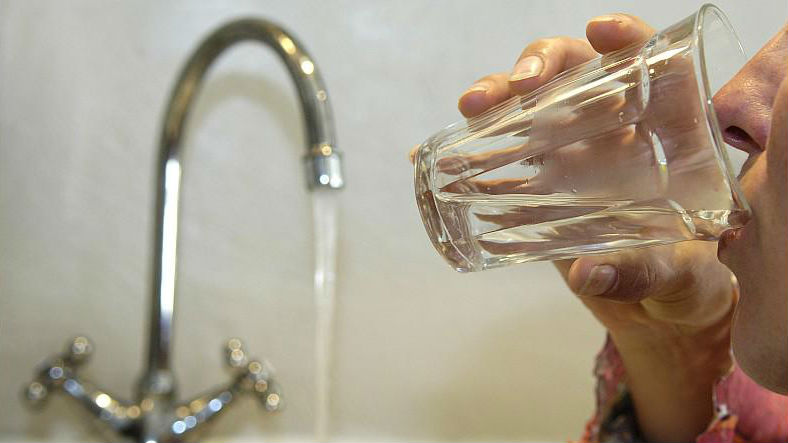
PFAS substances are increasingly under scrutiny in the Netherlands. Waternet advocates for strong measures to prevent PFAS pollution at its source, ensuring safe drinking water.
PFAS are synthetic substances that have been used in many products and processes for years, leading to their widespread presence in the environment. They can enter the human body through various routes, primarily via food, consumer products, and drinking water. In the Netherlands, food is the main source of PFAS exposure, with tap water contributing up to 20% of total intake.
Waternet continuously monitors drinking water quality and measures PFAS levels in drinking water and sources. The drinking water provided by Waternet meets legal quality requirements and is deemed safe for consumption by the RIVM.
Waternet is actively working on new methods to remove PFAS from water. However, completely eliminating PFAS is technically challenging and requires significant energy, new installations, and high investments. Therefore, the solution lies not only in water purification but also in preventing PFAS from entering the environment in the first place.
Waternet, along with other drinking water companies, has long advocated for measures to prevent PFAS pollution, such as stricter discharge regulations and a broad European ban on PFAS. Reducing PFAS levels in rivers, lakes, groundwater, and other drinking water sources will better protect these resources.
Ultimately, preventing PFAS pollution is the most effective way to safeguard drinking water quality for the future. What does not enter the environment does not need to be removed later.
Source: www.waternet.nl

